

Where the Money Is: Tire Shops

Tire Shops: Where the Money Is and How to Sell Smarter
Tire shops sell more than tires. They help drivers stay safe and keep their cars on the road. Before your next sales call, find out which jobs pay well, which customers return, and where the owner needs more business. That’s where a better marketing plan starts.
This chapter of Where the Money Is gives you a quick look at how tire shops earn money. You don’t need to become a tire expert. You need to ask better questions, spot buying signals, and build a campaign that brings in the right work.
How Tire Shops Work
Tire shops help drivers stay on the road. Some sell and fit tires only. Others also handle brakes, wheel alignment, and routine car care. Ask which kind you’re calling before you build a pitch.
Demand is large, but growth is no sure thing. The U.S. Tire Manufacturers Association’s forecast published in August 2026 puts replacement passenger-tire shipments at 218.3 million, down 1.6% from 2025. These are shipments, not shop sales. For sellers, the lesson is to ask how the shop plans to win customers in a softer market. www.ustires.org
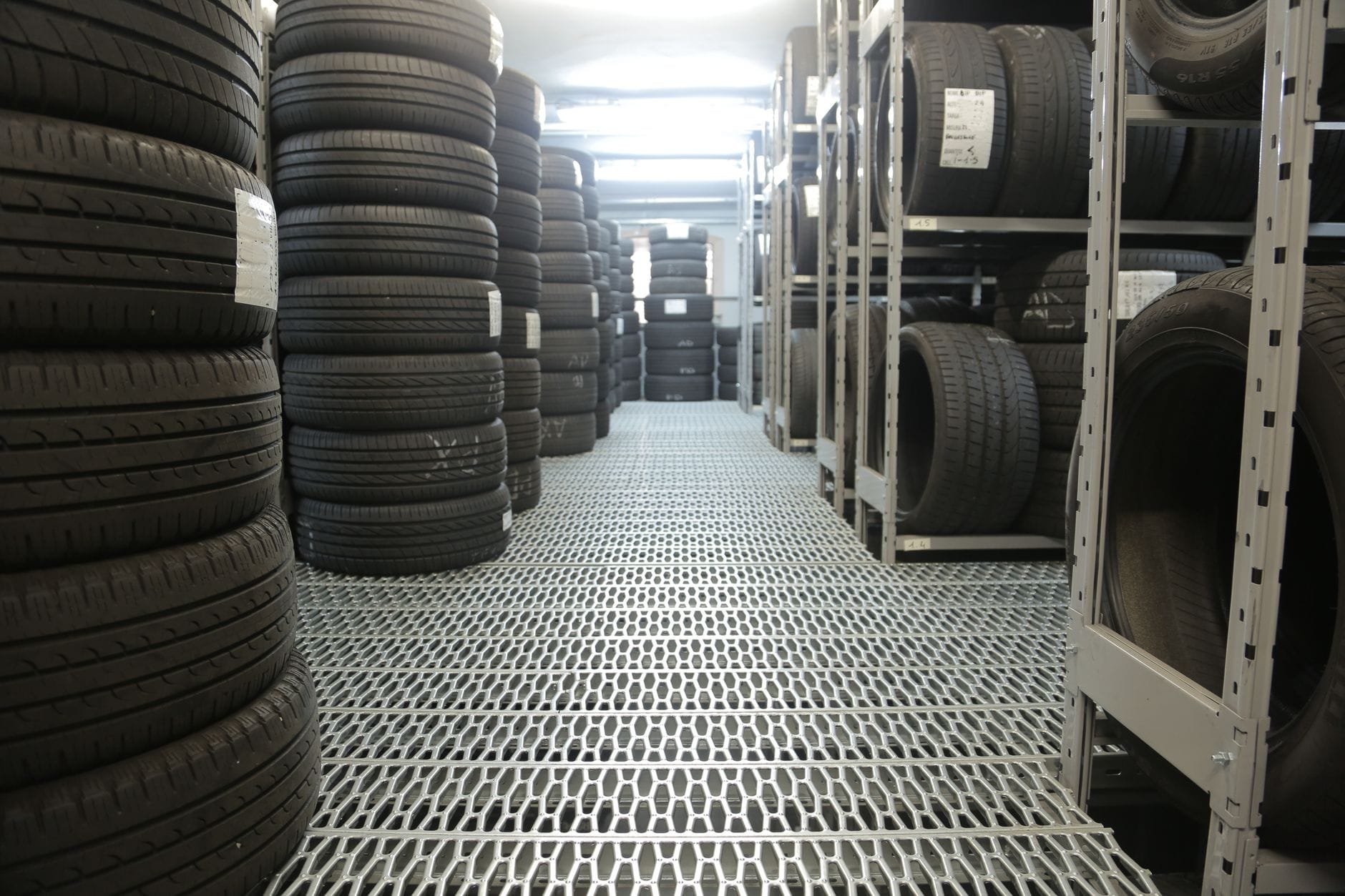
How Tire Shops Make Money
Revenue comes from tires, fitting, balancing, and any other services the shop offers. Customers may arrive with worn tread, a flat, or a trip coming up. The bill depends on tire size, brand, quantity, and service work. Ask for the shop’s average ticket rather than assuming a national figure fits.
Repeat Business
New tires are an occasional purchase. Rotations, checks, and other care can bring drivers back sooner. Find out which return visits are free, which earn revenue, and how the shop reminds people to return. A loyal household with two cars may be worth more than one bargain sale.
Main Profit Centers for Tire Shops
Explore full sets of tires, installation, alignment, and approved repair work. Fleet accounts may provide repeat demand, though prices and payment terms can differ. Road-hazard plans or service bundles may also matter. Ask the owner which jobs leave the most profit dollars after direct costs.
Typical Margin
Typical margin indicator: KPMG’s June 2025 tire-retail report says maintenance services such as alignments and brakes often carry gross margins of 50% or more. This is a service benchmark, not a tire-only margin or a shop-wide net-profit rate. Actual results depend on the work mix and how costs are counted. corporatefinance.kpmg.com
Gross profit still has to help pay rent, office costs, and other overhead. Use the benchmark to start a question, not to tell an owner what they earn.
What Drives Profit at Tire Shops
Profit depends on buying costs, pricing, staff time, and how fast stock sells. Tires sitting on shelves tie up cash. Discounts and financing fees can shrink the dollars left from a job. Clear quotes, sound advice, referrals, and return visits can help the shop win business without constant price cuts.
Open Bays and Busy Seasons
Ask when the shop has spare time and staff. A big promotion can backfire if customers face long waits. Plan seasonal offers around local weather and travel needs, but check the owner’s records first. The best offer fills a real gap in the schedule.
What Sellers Often Get Wrong
“You need more awareness” is too vague. So is assuming the shop wants the cheapest-tire buyer. It may need more full-set sales, fleet work, or booked weekday jobs. Also, confirm what the shop actually does before promoting brakes or alignment. Each ad promise needs stock, staff, and a clear price behind it.
Ten Discovery Questions
- Which jobs would you like more of?
- Which jobs earn the most gross profit dollars?
- What is your average tire-sale ticket?
- How many quotes turn into paid jobs?
- Why do customers decline a quote?
- Which days have room for more work?
- Which tires or services can you promote now?
- What share of customers comes back?
- Do you want more household or fleet business?
- Who answers leads, and how will we track sales?
Campaign Direction
For tire shops, a strong campaign starts with one clear goal: more booked tire sets, more fleet quotes, or more work on slow days. Match the offer and message to the jobs the owner wants most. Listen for buying signals such as, “We lose quotes on price,” or, “Tuesday afternoons are empty.” Each points to a different campaign.
A Campaign Example
Suppose a shop wants more weekday full-set sales. Promote a clear installed-price quote and easy booking. Add an alignment check only if offered; recommend paid work based on need. Track completed jobs and gross profit from those jobs. This is an example, not a promise of results.
Best Marketing Channels for Tire Shops
Start with the owner’s goal, budget, and service area. Use the mix below as a planning guide, then judge it by paid work.
| Goal | Channels to consider | Message |
|---|---|---|
| Capture shoppers now | Search, local listings | Quote, stock, booking |
| Build local trust | Radio, TV, streaming audio, digital video | Helpful staff, clear value |
| Bring customers back | Email, social, useful content | Timely care reminders |
| Support a seasonal offer | Sponsorships, events, display | One offer, one next step |
Conclusion: The Seller Takeaway
Sell toward the jobs the owner wants and can handle. Learn the profit centers, find the open capacity, and give customers a clear reason to book. A strong tire-shop campaign connects the ad to paid work and a reason to return.
FAQs
Should Every Tire Shop Run Price Ads?
No. Price can help win shoppers, but speed, stock, and trust may matter more. Ask what wins the shop’s best customers.
What Makes a Good Tire-Shop Lead?
A driver whose needs fit the shop’s stock, services, and schedule. Cheap leads have little value if they rarely buy.
Why Ask About Alignments?
They may be an important profit center. First confirm the shop offers them and has room for more work.
Can a Small Shop Use Broadcast?
Yes, if the cost and reach fit its market. Use a clear offer and a way to track response.
What Should Sellers Measure?
Track quotes, bookings, completed jobs, and gross profit. Ask whether new customers return, too. Clicks alone do not show business value.
Want more practical marketing and tech tips? Subscribe at georgefeola.io.