
Help bakery clients turn fresh products into repeat sales. These five campaign ideas combine radio, TV, and specific digital tactics to promote office orders, birthday cakes, weekend bread, holiday desserts, and afternoon visits.
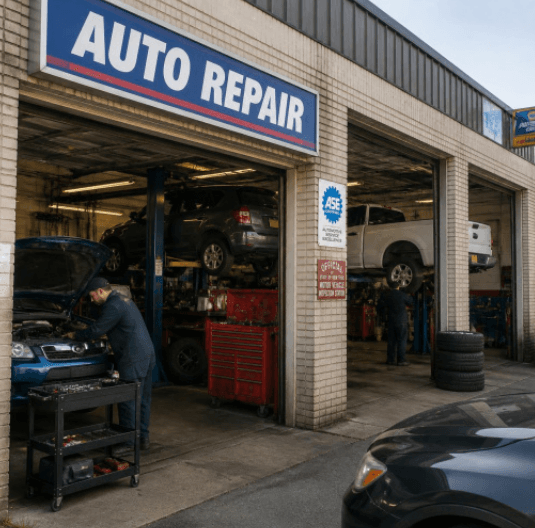
Auto repair shops need more than a busy schedule. Learn where they make money, what cuts into profit, and how local marketing can bring in the right work.

Auto dealers earn money from far more than vehicle sales. Explore the profit margins behind new and used cars, F&I, service, parts, and collision repair—and learn how media sellers can turn that knowledge into stronger client conversations.
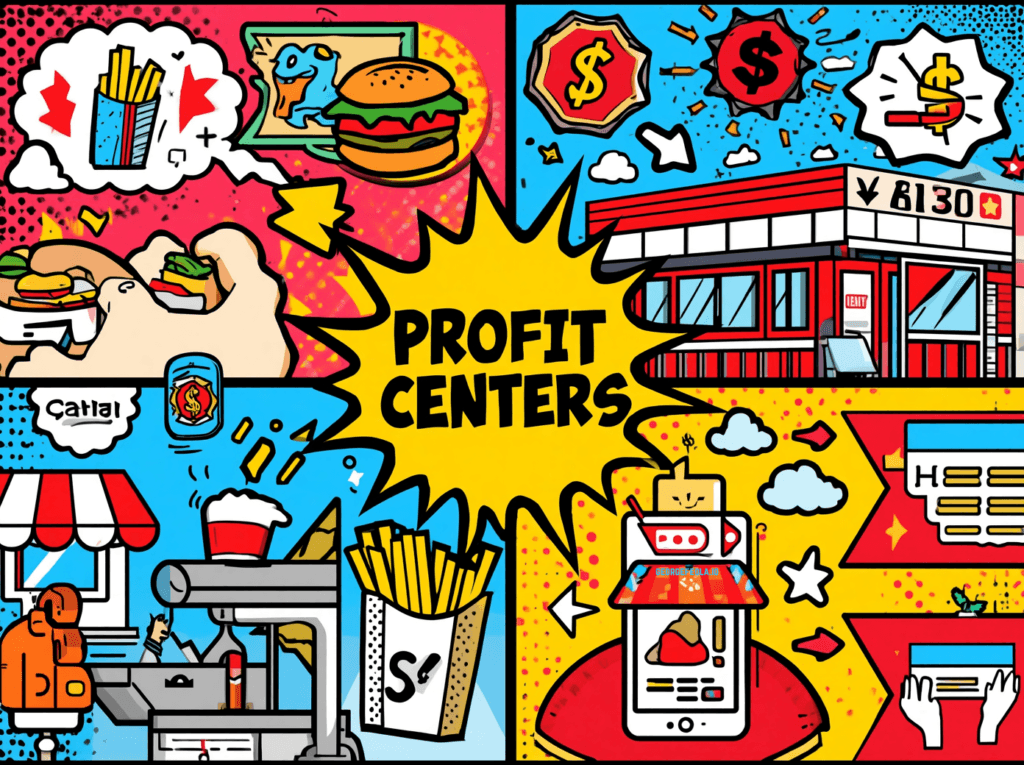
Quick-service restaurants make their best money through more than the main entrée. This seller-focused guide explains the category’s key profit centers, typical margins, most valuable customers, capacity limits, and the discovery questions that lead to stronger marketing campaigns.

Google and Beehiiv are introducing advertising and measurement tools that could make digital campaigns easier to activate and track, while new Meta engagement data highlights opportunities to turn timely social attention into leads, store visits, and sales..

Bars and taverns are not just selling drinks. They are selling occasions, routines, atmosphere, and repeat visits. Sellers who understand the profit centers can build better advertising plans.

As AI answers replace search results, brand discovery is changing. This guide shows TV, radio, and digital sellers how to position campaigns for the new AI search era.

AI is changing how customers discover businesses, but trust is still built through familiar local voices and consistent visibility. Radio and TV remain powerful tools for credibility, recognition, and being chosen first in today’s crowded digital world. Subscribe for marketing and tech tips at georgefeola.io

Reach still matters—but relevance is what closes the deal. Today, awareness only works when it leads to search, where buyers compare options, build trust, and decide who to choose. This article explains how TV, radio, and digital sellers can connect broadcast exposure to search-driven behavior and turn interest into measurable revenue.
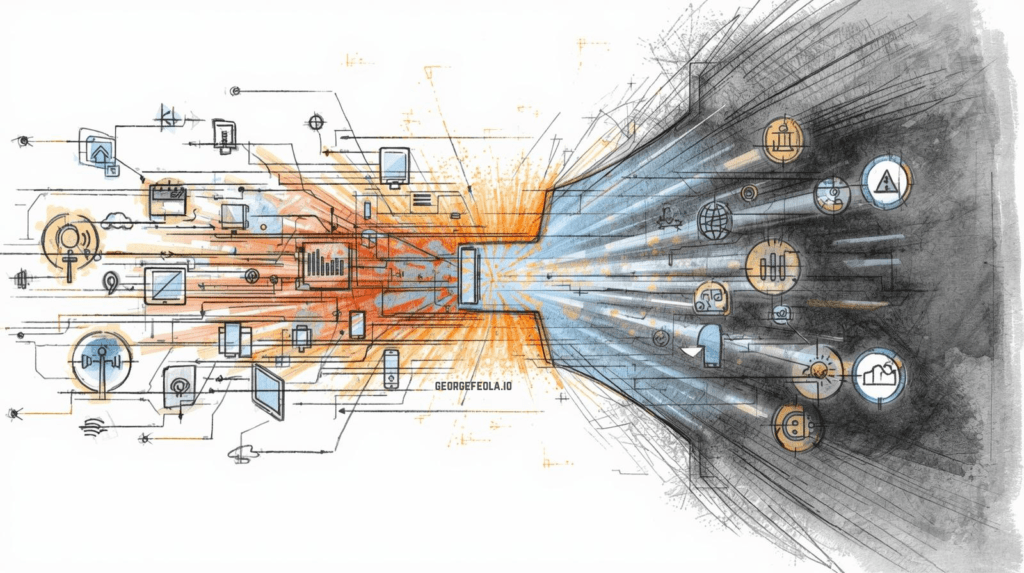
Buying decisions no longer unfold over weeks—they happen in seconds. Micro-moments are where intent is formed, trust is evaluated, and action is taken. For TV, radio, and digital professionals, understanding how to influence these moments is now essential to turning awareness into measurable revenue.