
Win local customers with a holiday gift-card campaign that makes restaurant and coffee-shop gifts easy to discover, purchase, and give.

Help holiday shoppers find the right gift with clear choices like Gifts Under $25, Local Favorites, and Stocking Stuffers. Learn how to promote those collections through radio, TV, and digital advertising to bring customers into your store.

Tire shops sell more than tires. Learn what drives their profit, which discovery questions uncover sales opportunities, and how to build marketing campaigns that bring in the right customers.

Help bakery clients turn fresh products into repeat sales. These five campaign ideas combine radio, TV, and specific digital tactics to promote office orders, birthday cakes, weekend bread, holiday desserts, and afternoon visits.
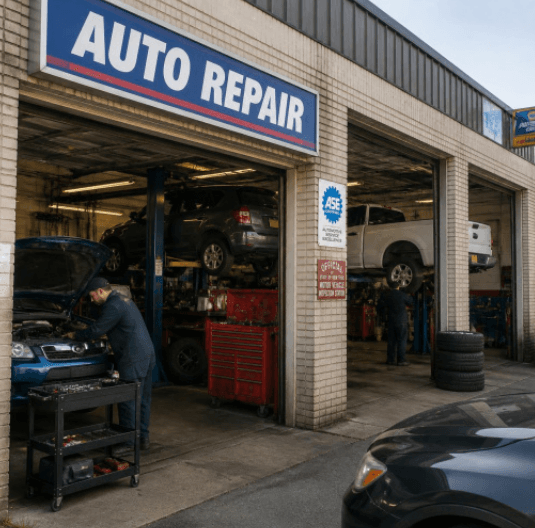
Auto repair shops need more than a busy schedule. Learn where they make money, what cuts into profit, and how local marketing can bring in the right work.

Auto dealers earn money from far more than vehicle sales. Explore the profit margins behind new and used cars, F&I, service, parts, and collision repair—and learn how media sellers can turn that knowledge into stronger client conversations.
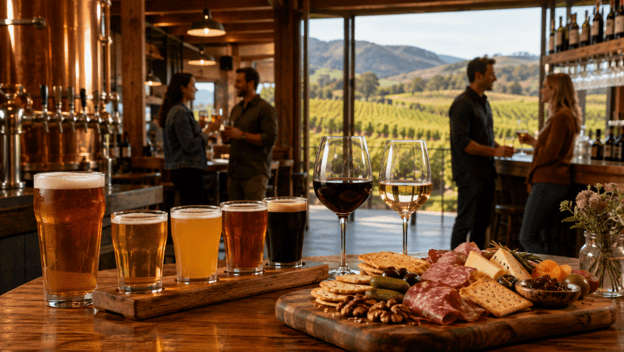
Breweries, wineries, and tasting rooms often make their best margins through direct sales, wine clubs, food, events, and premium experiences. Here is where the money is—and where the strongest growth opportunities can be found
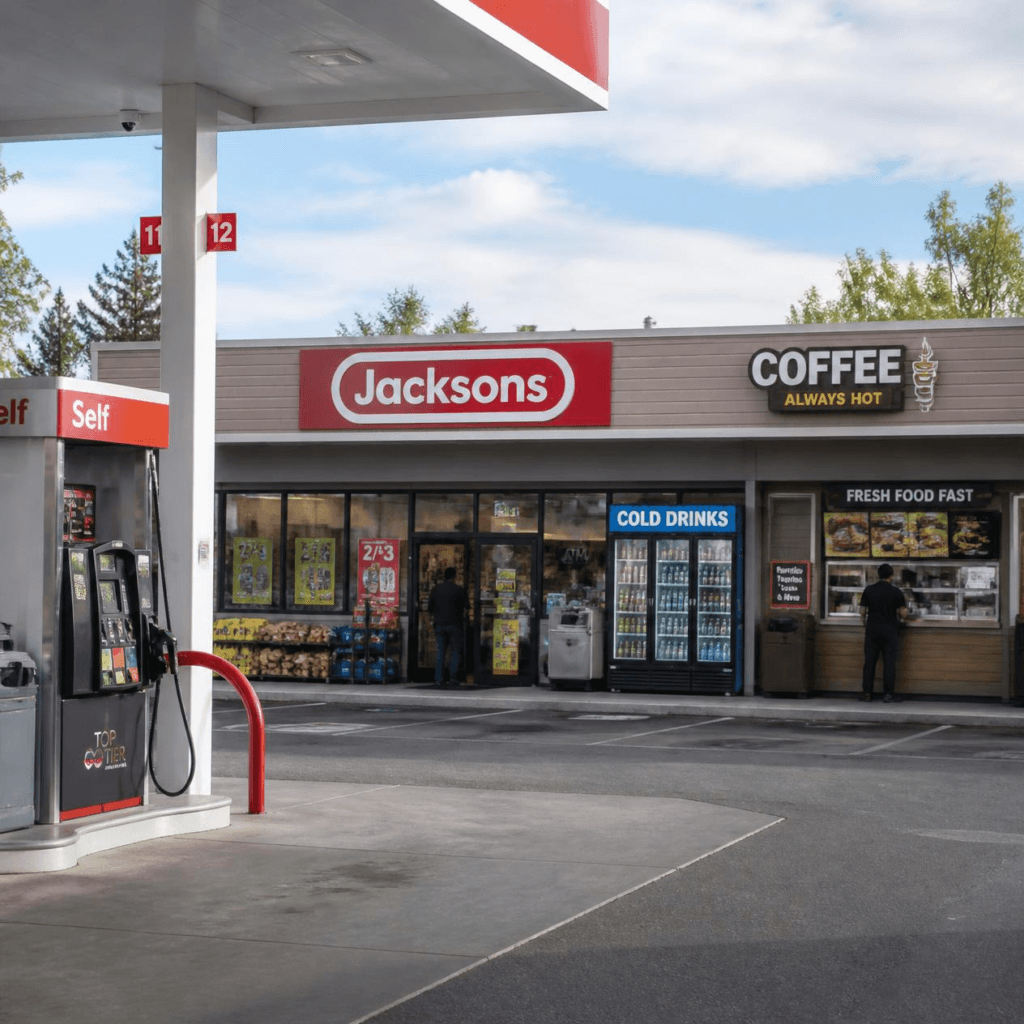
Gas may generate most of the revenue, but it is a thin-margin business. Prepared food, beverages and repeat visits show where convenience stores can generate much stronger returns.

Grocery stores work on small margins, so the real money comes from larger baskets, prepared meals, store brands, fresh departments, repeat visits, and less waste. This guide helps media sellers spot those profit drivers and build smarter radio, TV, and digital campaigns around them.
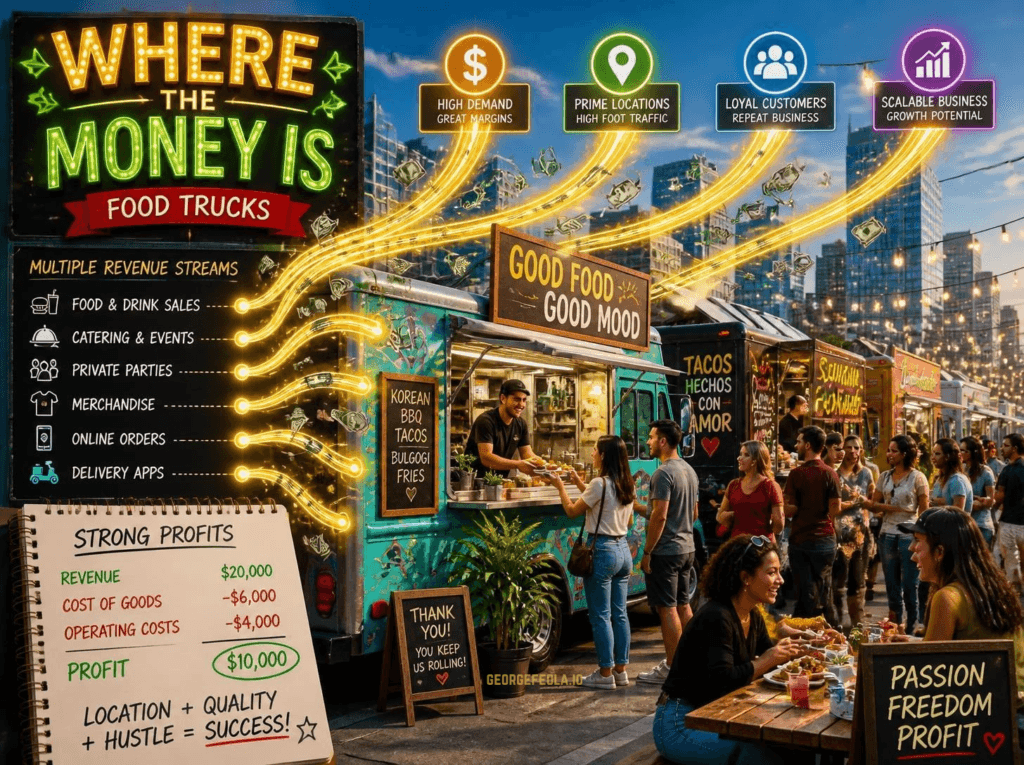
Food trucks may look simple, but making money takes more than serving good food. Sellers need to understand location, speed, ticket size, events, repeat visits, and catering before recommending a marketing plan.
Introduction