

Where the Money Is: Auto Repair Shops
Why this business matters
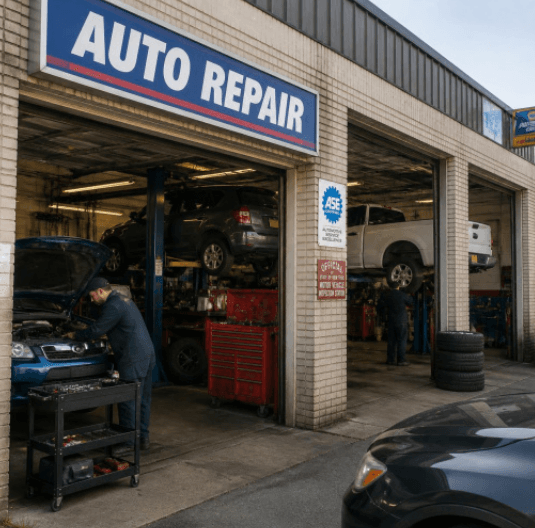
Most of us want to keep our cars running longer. Buying another one costs a lot. That gives local auto repair shops a steady need to serve.
The numbers back this up. S&P Global Mobility says the average U.S. vehicle was 12.8 years old in 2025. The Auto Care Association expects the market for parts and repair services to grow 5.2% in 2026. That forecast covers the whole market. It does not mean every shop will see more sales.
Independent shops also have a chance to win drivers who once went to a dealer for service. Cox Automotive found that dealers’ share of service visits fell from 33% to 29% over eight years. Those drivers still need work done. The question is which shop they will trust.
Where the money is
Shops make money from labor and parts. They charge for the time it takes to find and fix a problem. They also sell the parts used in the repair. Oil changes, brakes, batteries, and inspections bring drivers through the door. Larger repairs can bring larger bills.
But a large bill does not mean a large profit. The shop must pay for parts, staff, rent, tools, insurance, and much more. Cox Automotive found that customers in its study spent $275 per visit at general repair shops, on average. That is the amount customers paid. It is not what the shop kept.
Here is a simple example. A shop charges $600 for a repair. It pays $180 for parts and $120 in direct labor costs. That leaves $300 to help pay the shop’s other bills and, if enough remains, provide a profit. These are sample numbers, not an industry average.
What gets in the way?
A shop can be busy and still have a money problem. Perhaps its best technician spends hours on work that pays poorly. Perhaps the phone rings, but no one can answer it. Or perhaps first-time customers leave happy and never think to return.
The shop may also have plenty of work on Friday and open time on Tuesday. In that case, “more leads” is too broad a goal. It needs the right work at the right time. That is the point a good sales conversation should uncover.
Ask the owner which jobs the shop wants more of. Then ask when it has room to take them. Find out how people book, what happens to missed calls, and whether past customers come back. Those answers will tell you far more than the shop’s ad budget alone.
How marketing can help
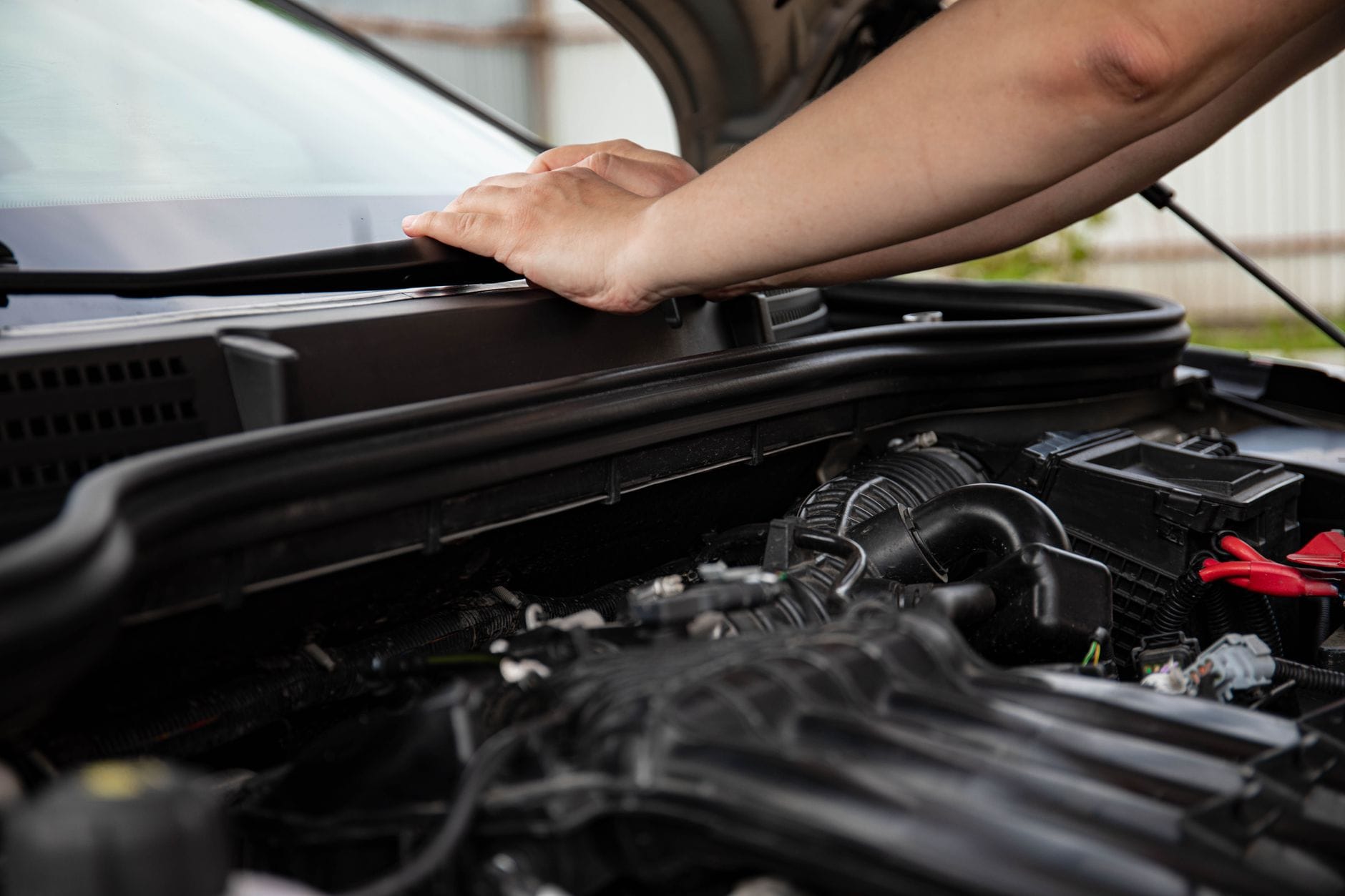
Let’s say a Medford shop does good work on family cars. It has room for more appointments early in the week. It also gives customers clear inspection reports, so they can see what needs work before they approve a repair.
That gives you a message you can use: “Know what your car needs before you approve the work.” Local radio could help drivers remember the shop’s name. Digital ads could reach people nearby. A simple web page could explain the inspection and make it easy to book. The shop could then count calls, booked visits, finished jobs, and customers who return.
This approach starts with something the shop already does well. It also gives the owner a way to see whether the ads helped. PartsTech’s shop survey points to clear inspections and a better customer experience as ways shops can increase the value of a visit.
The sales opportunity
Start with one question: “What kind of work would make next month better for your shop?”
The owner might want more brake jobs. They might want to fill slow mornings. They might want past customers to come back. Each answer calls for a different message.
Why does this matter to me? Cars need care, but a shop does not earn more simply because more people call. You can help the owner bring in work the team can handle, fill open time, and give customers a reason to return. That is a stronger offer than “we can get you more clicks.”
Five questions to ask
- Which jobs would you like more of?
- When do you have open appointment times?
- What happens when a customer calls and no one answers?
- How do you remind customers about work they chose to schedule later?
- What result would make an ad campaign worth the cost?