

Where the Money Is: Breweries, Wineries, and Tasting Rooms
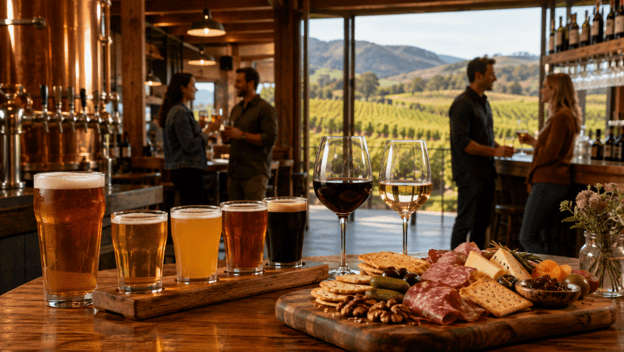
Breweries, wineries, and tasting rooms are part beverage producer, part retailer, and part hospitality business. They may sell beer or wine, but much of their profit comes from how and where they sell it.
A bottle sold in a store does not produce the same return as a bottle sold in the tasting room. A keg sold to a distributor does not produce the same return as that beer served one pint at a time.
For most small breweries and wineries, direct sales offer the best path to profit.
A Challenging Market
Beer and wine sales are under pressure.
The Brewers Association reports that craft beer production fell 4% in 2025. About 60% of breweries reported a decline. Brewpubs held up better than breweries that depend more on distribution.
Wine faces a similar challenge. Consumers are drinking less, tasting-room traffic has slowed in some markets, and lower-priced wines have struggled.
Still, some wineries are growing. The 2026 Direct-to-Consumer Wine Report found that the top group of wineries grew direct sales by 22%. The bottom group fell by 13%.
The difference often comes down to customer value. Strong operators do more than make a good product. They create reasons to visit, buy more, join, return, and bring friends.
Where Breweries Make Money
The taproom is often a small brewery’s most important profit center.
When beer is sold through a distributor, part of the final price goes to the distributor and retailer. The brewery also pays for cans, bottles, labels, cartons, and shipping.
When that same beer is sold by the pint, the brewery keeps the retail price. A well-run taproom can produce gross margins of 60% or more. Wholesale brewery margins are often closer to 20% to 30%.
| Brewery profit center | Profit potential | Why it matters |
|---|---|---|
| Draft beer sold on-site | High | The brewery keeps the retail price |
| Flights and premium pours | High | Raises spending per visit |
| Food | Moderate | Increases visit time and group size |
| Private events | High | Adds rental, food, and drink revenue |
| Merchandise | Moderate to high | Adds revenue and promotes the brand |
| Wholesale distribution | Lower | Provides reach but splits the margin |
A taproom can also earn money from food, live music, trivia, special releases, and private parties.
Claim 52 Brewing combines its beer with food, games, live music, and weekly events. Bevel Craft Brewing uses bingo and themed trivia to create a reason for people to visit on Mondays.
These events do not need to make money from tickets. Their value may come from filling seats and selling more food and beer during a normally slow period.
Where Wineries Make Money
Wineries often make their best margins through direct-to-consumer sales.
The 2026 State of the U.S. Wine Industry Report says tasting rooms and wine clubs produce about 53% of sales for the average winery. In some wine regions, direct sales account for as much as 78% of revenue.
Winery financial benchmarks from Farm Credit East place tasting-room and wine-club gross margins in the range of 65% to 80%. Wholesale margins are often closer to 25% to 40%.
The major winery profit centers include:
- Tasting-room bottle sales
- Wine-club memberships
- Direct shipping
- Reserve and limited wines
- Private tastings
- Weddings and private events
- Food pairings
- Tours and other experiences
The tasting fee matters, but it is not the real prize. A tasting-room visitor may buy bottles, join the club, return for an event, or order wine later.
Wine Clubs Create Repeat Revenue
A wine club turns an occasional customer into a source of planned sales.
Members often receive several wine shipments each year. They may also get discounts, free tastings, early access to new wines, and invitations to private events.
RoxyAnn Winery uses complimentary tastings and member benefits to encourage return visits. Resistance Wine Company offers a customizable club with small-production Rogue Valley wines and member-only releases.
The winery earns recurring revenue, but the value can extend beyond each shipment. Members may bring guests, attend pickup events, purchase extra bottles, and remain customers for years.
That makes club enrollment and member retention two of the most important numbers in the winery business.
Experiences Can Support Higher Prices
Breweries and wineries are not limited to selling drinks. They can also sell the setting, service, knowledge, and experience around the product.
Willamette Valley Vineyards offers private tours and guided tastings. St. Innocent Winery markets its indoor and outdoor spaces for private wine and food experiences.
These offers can generate more revenue than a basic tasting. A private event may include a space fee, food, beverage sales, service charges, and bottle purchases.
Weddings can be even larger. A winery may earn money from the venue, wine, catering, rentals, and related services. Breweries can pursue smaller versions of the same opportunity through birthdays, company gatherings, reunions, and holiday parties.
The property itself becomes a product.
Food Builds the Check
Food usually carries a lower margin than beer or wine, but it can make the entire business more profitable.
A food menu encourages customers to stay longer. It can also attract groups that would not visit for drinks alone. One person may want a craft beer, but the whole group needs something to eat.
Food also creates more reasons to visit. A brewery with a full kitchen can compete for lunch, dinner, happy hour, and family outings. A winery with food pairings, pizza, or special dinners can move beyond the basic tasting.
Schmidt Family Vineyards, featured in this Southern Oregon winery guide, combines wine with a full kitchen, wood-fired pizza, gardens, and music. The business is not relying on one tasting fee. It has several ways to increase the value of each visit.
Events Fill Slow Periods
A full Saturday patio can look impressive, but it may offer little room for added sales. The better growth opportunity may be an empty Wednesday evening.
Events help move traffic into slow days and times. Common examples include:
- Trivia and bingo
- Live music
- Wine dinners
- Release parties
- Club pickup events
- Holiday markets
- Classes and workshops
- Community fundraisers
Fort George Brewery uses recurring music and community benefit nights to attract customers. These events create a reason to visit on a specific date instead of waiting for “someday.”
The profit comes from putting existing staff, space, and equipment to work when they might otherwise sit idle.
Where Profit Leaks Away
High gross margins do not always lead to high net profits.
Breweries and wineries carry large costs. These include ingredients, labor, utilities, rent, insurance, equipment, packaging, debt, and repairs. Wineries may also have cash tied up in wine that must age before it can be sold.
Common profit leaks include:
- Too much dependence on wholesale sales
- Empty seats during slow periods
- Weak wine-club retention
- Food waste
- Excess inventory
- Heavy discounting
- High labor costs
- Poorly priced events
- Equipment operating below capacity
A business can increase sales and still lose ground if those sales come through low-margin channels.
Where the Advertising Money Is
The strongest advertising opportunities are tied to high-margin sales and unused capacity.
For breweries, that usually means taproom traffic, food, events, and private parties. For wineries, it often means tasting-room visits, bottle sales, wine clubs, premium experiences, weddings, and direct orders.
The opportunity is not simply to advertise beer or wine. It is to promote the parts of the business that can produce the greatest return.
The money is in:
- Selling directly to the customer
- Increasing how much each visitor spends
- Turning first-time visitors into repeat customers
- Creating recurring wine-club revenue
- Filling slow days and unused space
- Selling events and premium experiences
Wholesale distribution can expand the brand’s reach. Direct sales are more likely to build the profit.