

Micro-Moments: When Customers Decide and How We Can Influence Them
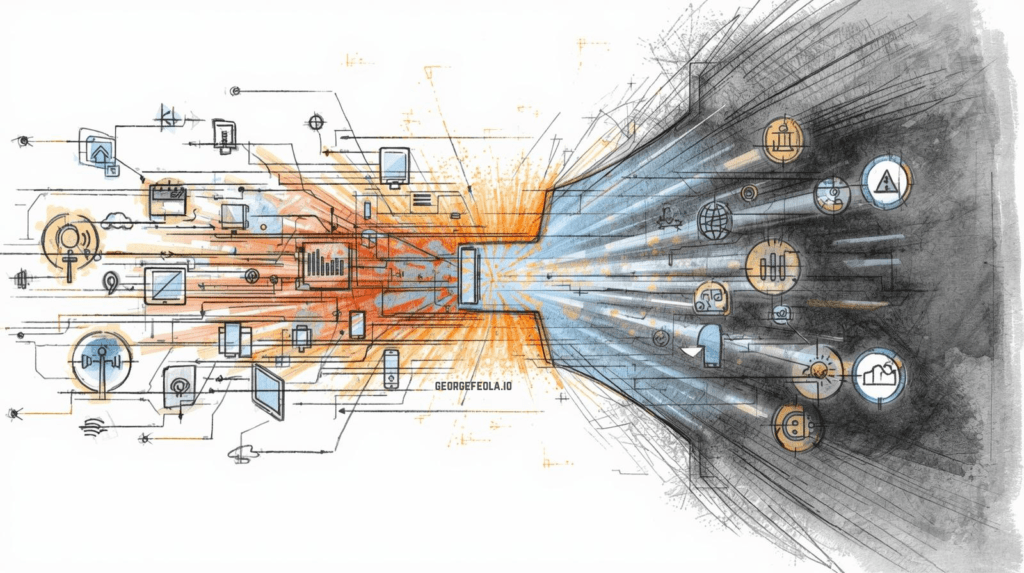
Why Micro-Moments Matter More Than Media Plans
Legacy broadcast professionals were trained to think in campaign windows—weeks or months of scheduled exposure designed to influence behavior over time.
Modern marketing operates differently.
Today, decisions are often made in seconds, triggered by intent, context, and immediacy. These decision points are known as micro-moments—and they are where modern marketers either win relevance or disappear entirely.
A micro-moment occurs when a consumer reflexively turns to a device to:
- Learn something
- Do something
- Go somewhere
- Buy something
These moments are high-intent, high-stakes, and increasingly non-linear.
What Are Micro-Moments (In Plain Business Terms)
Micro-moments are decision compression points.
They collapse:
- Research
- Comparison
- Trust
- Action
Into a single interaction.
Google formally defined micro-moments as intent-driven instances when people want immediate answers. Their framework remains foundational:
👉 https://www.thinkwithgoogle.com/marketing-strategies/micro-moments/
For marketers, this means being present is no longer enough. You must be useful immediately.
The Four Core Micro-Moment Types
I Want to Know Moments
These occur during early-stage research.
Examples:
- “Is LED lighting worth it?”
- “How does solar energy work?”
- “What should I look for in a financial advisor?”
Brands that show up educationally, not promotionally, gain trust early.
Broadcast takeaway:
Your legacy strength in storytelling maps well here—if the content is searchable, structured, and intent-aligned.
Example:
Retail and service brands that publish clear explainer content consistently win early-stage intent:
https://www.homedepot.com/c/ab/how-to-guides/9ba683603be9fa5395fab901d83a3f6e
I Want to Go Moments
These moments are driven by immediacy and relevance rather than brand recall.
Examples:
- “Best restaurants nearby”
- “Urgent care open now”
- “Places to buy outdoor furniture”
Search engines and platforms evaluate clarity, credibility, and usefulness faster than brand familiarity.
Broadcast takeaway:
Broadcast creates awareness.
Search and digital presence complete the decision.
Nielsen has consistently shown that TV and radio increase branded search behavior—but only when brands are easy to find and evaluate at the moment of intent.
Reference: https://www.nielsen.com/solutions/audience-measurement/
I Want to Do Moments
These involve instruction, setup, or problem-solving.
Examples:
- “How to reset a router”
- “How to clean hardwood floors”
- “How to prepare for a job interview”
Brands that help—not sell—win these moments.
Modern marketer shift:
Instructional content is now a conversion asset, not a support cost.
YouTube remains a dominant platform for “how-to” intent across categories:
https://www.thinkwithgoogle.com/consumer-insights/youtube-how-to-search/
I Want to Buy Moments
These are the most direct—and the most fragile.
Examples:
- “Best laptop for remote work”
- “Compare CRM software”
- “Buy engagement ring online”
At this moment:
- Speed
- Reviews
- Clear offers
- Trust signals
Matter more than creative storytelling.
Critical reality check:
If mass media sparks interest but the digital experience is slow, confusing, or untrustworthy, the moment is lost—regardless of spend.

Where Legacy Broadcast Still Wins (When Integrated Correctly)
Broadcast remains unmatched at:
- Emotional priming
- Brand legitimacy
- Mental availability
Micro-moment channels excel at:
- Intent capture
- Decision completion
- Measurement
The mistake is treating these as separate disciplines.
The opportunity is integration.
How Sales Professionals Can Influence Micro-Moments
Digital + TV Sales Example: Turning Awareness Into Immediate Action
Scenario:
A TV sales professional sells a multi-week schedule designed to drive awareness, but the advertiser expects measurable performance.
Traditional mindset:
“TV builds awareness. Digital handles results.”
Modern micro-moment mindset:
“TV triggers intent. Digital must be ready to capture it.”
What the modern seller does differently:
- TV creative is framed around problem recognition, not brand slogans.
- Search and landing pages are aligned to intent-based follow-up behavior that occurs immediately after exposure.
- Mobile load speed, clarity, and trust signals are reviewed before the campaign launches.
Micro-moment influence point:
The instant a viewer reaches for their phone after seeing the spot.
Sales takeaway:
You are not selling TV impressions.
You are selling decision readiness.
When TV is positioned as the start of a micro-moment journey—not the entire journey—campaign credibility, renewal rates, and total account value increase.
Radio Sales Example: Capturing Intent Between the Spot and the Search
Scenario:
A radio seller works with an advertiser that historically measures success by call volume, but results have plateaued.
Traditional mindset:
“If the phone doesn’t ring, radio didn’t work.”
Modern micro-moment mindset:
“Radio primes intent. Search completes the decision.”
What the modern seller does differently:
- Radio creative is written to trigger a specific next step, not just brand recall.
- The advertiser’s digital presence is evaluated to ensure it answers the most common post-exposure questions.
- Messaging aligns with “I want to know” and “I want to buy” moments that occur minutes after listening.
Micro-moment influence point:
The short window after exposure when the listener searches instead of calling.
Sales takeaway:
Radio did its job if it created intent—even when conversion happens digitally.
This reframes radio from a call-dependent medium into a revenue-influencing medium.
What This Means for TV and Radio Professionals
This is not about abandoning broadcast.
It is about modernizing its role.
Broadcast now:
- Starts the conversation
- Frames the brand emotionally
- Signals legitimacy
Digital now:
- Captures intent
- Answers questions
- Converts action
Professionals who understand both become strategic integrators, not channel specialists.
Final Takeaway
Micro-moments are where modern marketing is won or lost—not because of spend, but because of preparedness.
If your brand:
- Shows up
- Loads fast
- Answers clearly
- Feels trustworthy
You win the moment.
If not, someone else will—regardless of how strong the original message was.
Next in the series:
From Reach to Relevance: Turning Awareness Into Search-Driven Revenue
Subscribe for marketing and tech tips at georgefeola.io