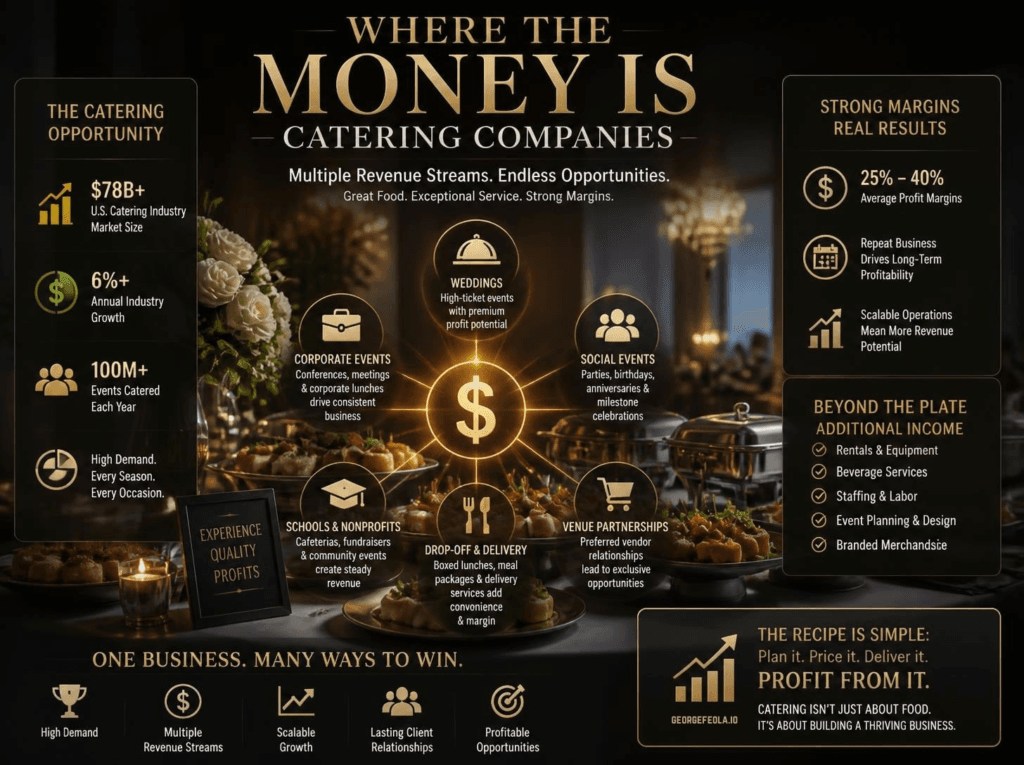
Catering companies make their best money when they focus on the right clients, price each job well, control food and labor costs, and build more repeat business. This guide shows where the strongest profit often comes from and what marketers should ask before building a campaign.
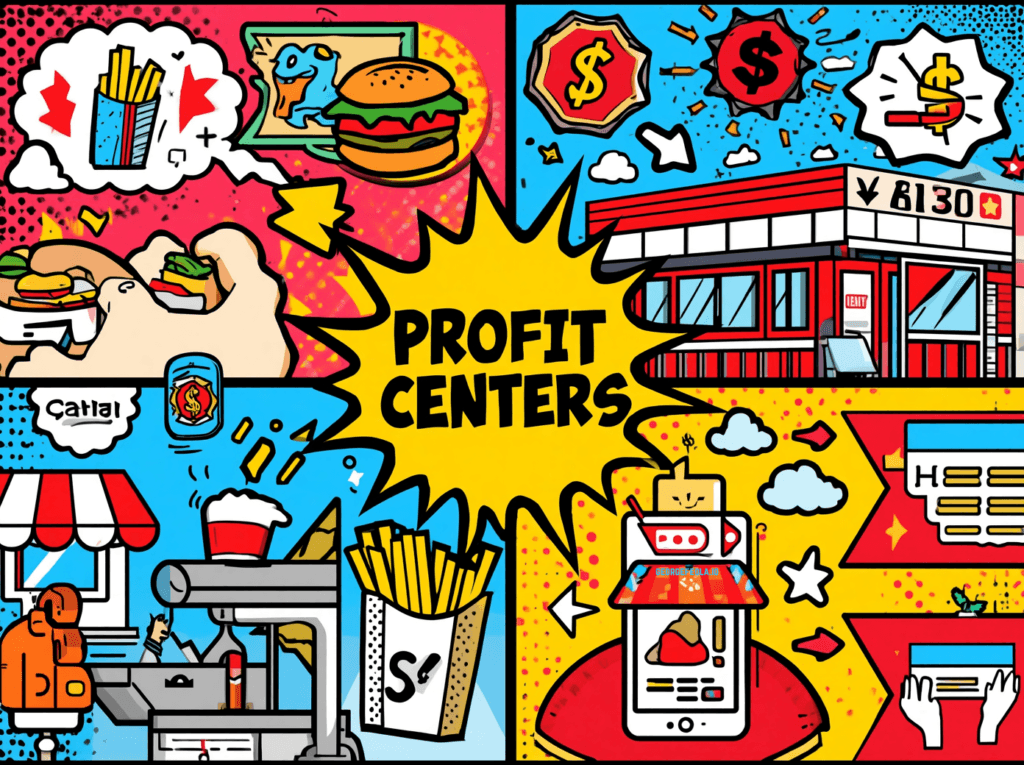
Quick-service restaurants make their best money through more than the main entrée. This seller-focused guide explains the category’s key profit centers, typical margins, most valuable customers, capacity limits, and the discovery questions that lead to stronger marketing campaigns.

Google and Beehiiv are introducing advertising and measurement tools that could make digital campaigns easier to activate and track, while new Meta engagement data highlights opportunities to turn timely social attention into leads, store visits, and sales..
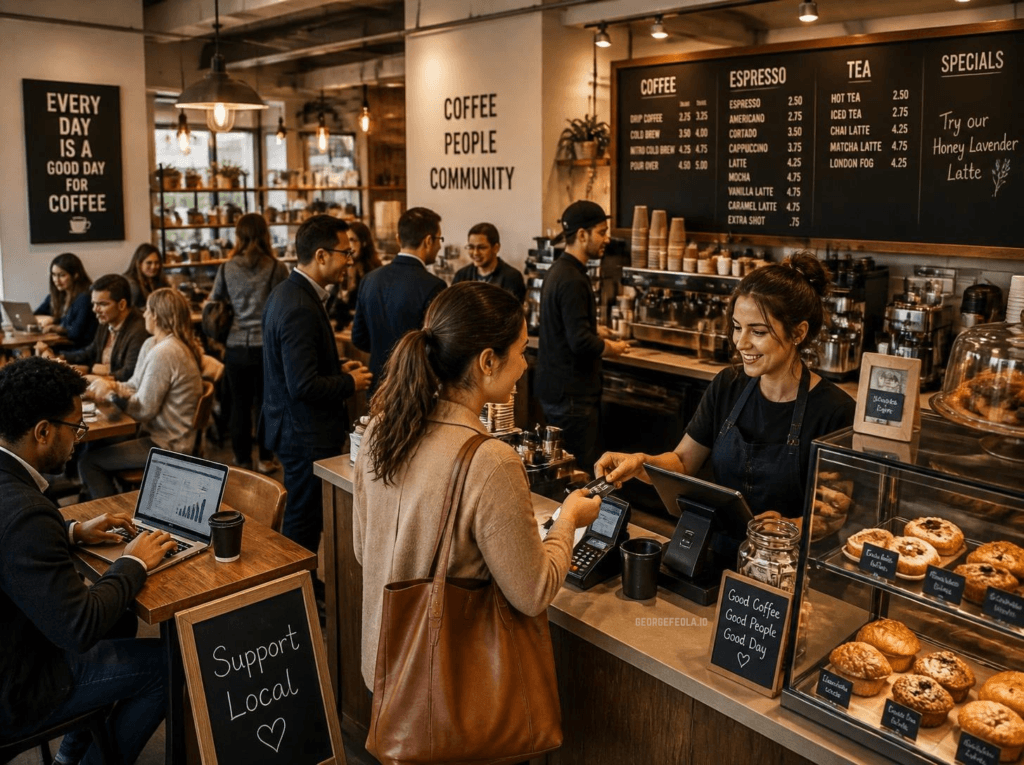
Coffee shops sell far more than caffeine. Discover where the money really comes from—premium drinks, food add-ons, convenience, loyalty programs, and repeat customers who turn a daily habit into reliable revenue.

Bars and taverns are not just selling drinks. They are selling occasions, routines, atmosphere, and repeat visits. Sellers who understand the profit centers can build better advertising plans.

Restaurants do not make money from awareness alone. They make money when the right customers visit at the right times, order the right items, come back often, and support the profit centers that matter most — from dine-in traffic and beverages to catering, direct ordering, and loyalty.

Consumers are tuning out intrusive ads and rewarding brands that respect their time, answer real questions, and show up with purpose.

Learn how to spot and prioritize real buying signals without analytics using simple behavior patterns, signal hierarchy, and actionable steps.

As AI answers replace search results, brand discovery is changing. This guide shows TV, radio, and digital sellers how to position campaigns for the new AI search era.

AI is changing how customers discover businesses, but trust is still built through familiar local voices and consistent visibility. Radio and TV remain powerful tools for credibility, recognition, and being chosen first in today’s crowded digital world. Subscribe for marketing and tech tips at georgefeola.io