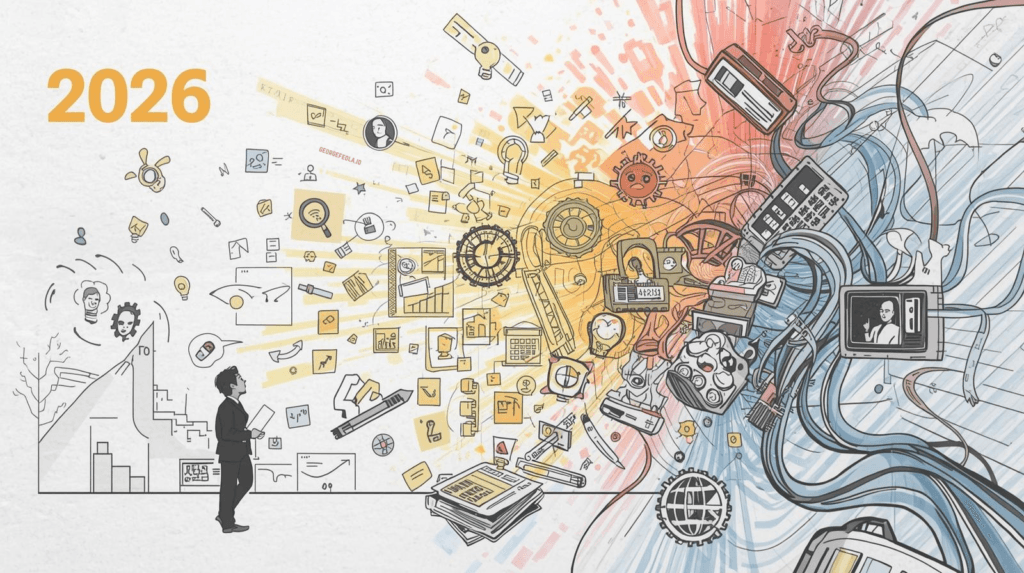
In 2026, the way people find information online is changing — and that change matters for every TV, radio, and digital seller. For years, we’ve relied on PPC and traditional SEO to drive visibility and clicks. But now, AI-powered search tools are stepping in to answer real questions directly, blending context and insight in ways that go beyond simple link lists. In this post, we explore what that means for your media strategy, how discovery is evolving, and why being referenced in the answers buyers see first will become a key part of visibility in the years ahead.
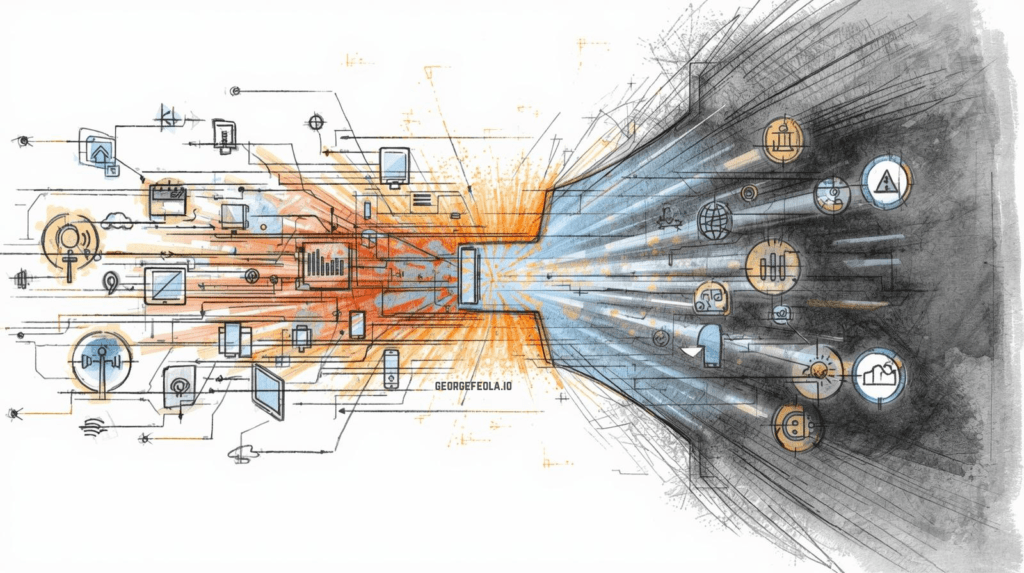
Buying decisions no longer unfold over weeks—they happen in seconds. Micro-moments are where intent is formed, trust is evaluated, and action is taken. For TV, radio, and digital professionals, understanding how to influence these moments is now essential to turning awareness into measurable revenue.

Broadcast creates awareness, but search captures demand. This article explains why local businesses must be found online and how TV and radio make that happen.
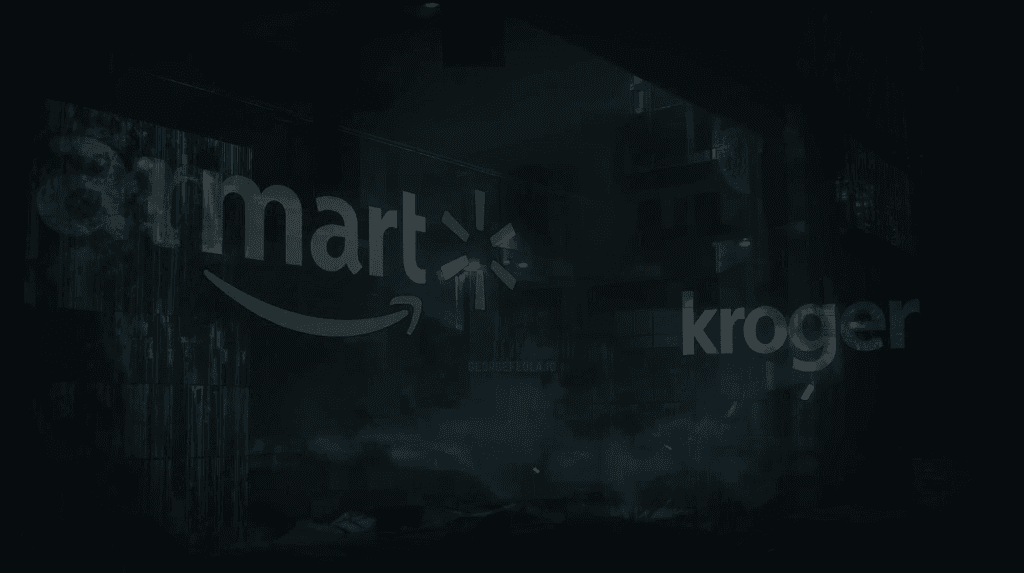
Retail media helps brands advertise where people are already shopping, using first-party data from retailers like Amazon, Walmart, and Kroger to reach high-intent customers and track real purchase results. It’s reshaping how marketers plan campaigns and measure success.
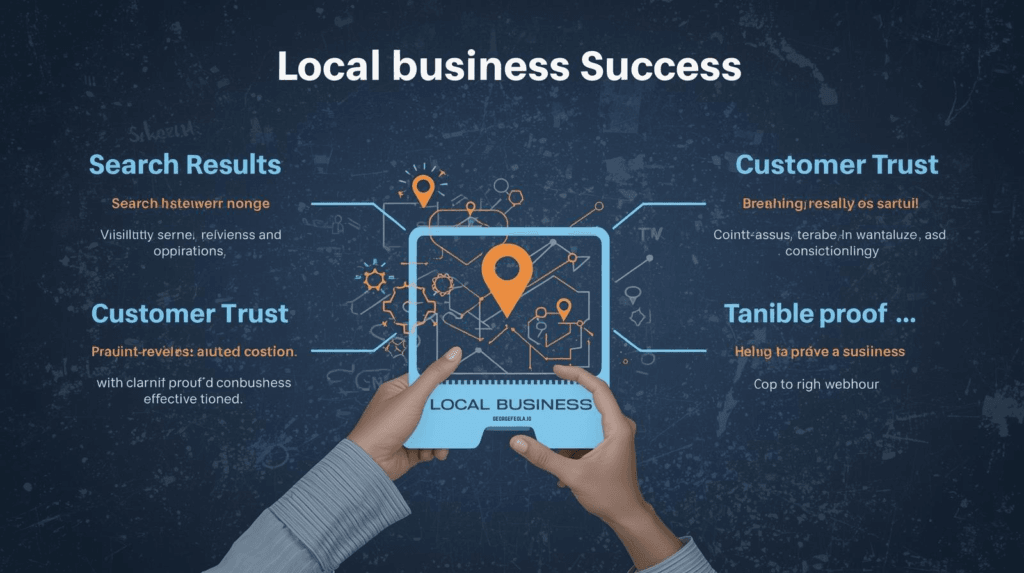
In 2026, local businesses don’t win by buying more ads. What matters most is being visible where customers search, building trust through strong reviews and engagement, and showing proof that the business delivers real results. These three elements help businesses show up in local search results, earn customer confidence, and convert searches into real interactions. Search engines now reward accuracy, relevance, and active customer engagement far more than ad spend alone.
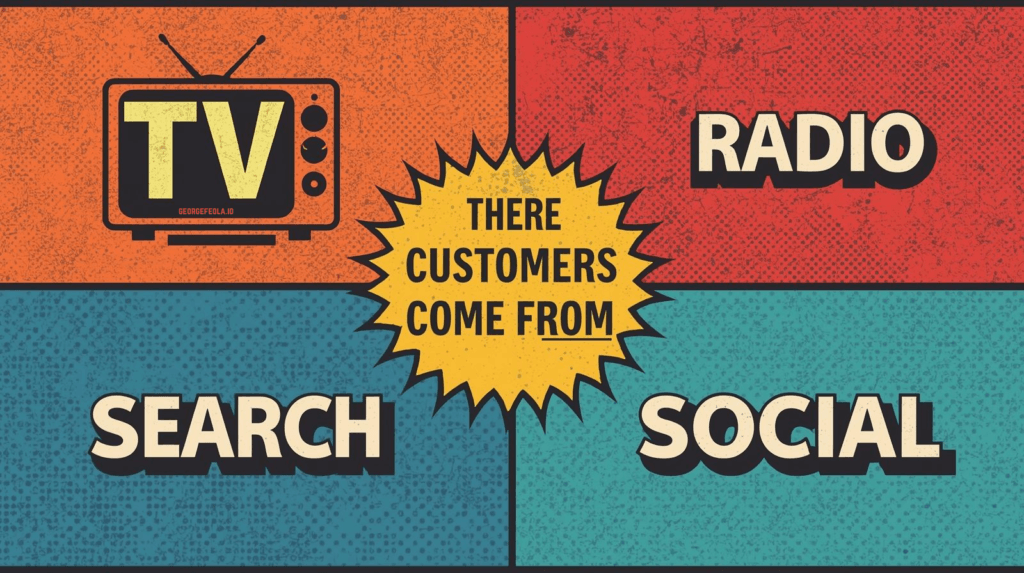
Discover how today’s customers find brands through a mix of channels — from television and radio to search engines and social platforms — and why modern marketers integrate them to build awareness and drive engagement.

First-party data is no longer a “nice to have” for marketers—it’s the foundation of how modern marketing works. As third-party tracking fades, brands, broadcasters, and local media companies must rely on data they collect directly from their audiences. This article explains why first-party data matters in clear, everyday language, showing how radio, TV, and digital channels can work together to capture real customer signals, improve targeting, and deliver measurable results from 2024 through 2026—without relying on complicated technology or buzzwords.

In this article, you’ll discover why the new role of a media marketer: helping clients get customers is essential in today’s media landscape. Instead of just selling ad inventory, successful media pros are now focused on measurable outcomes like calls, leads, and sales. You’ll learn practical steps and real examples showing how to blend traditional media with digital tracking to drive customer actions and prove real value to your clients.

Today’s clients don’t want ad schedules—they want real solutions to real business problems. This article explains why the shift from selling spots to delivering outcomes matters in 2024–2026, and how modern marketers can use radio, digital, CTV, and search to create simple, effective solutions that local businesses truly value.
GenAI ad tools are transforming how businesses create, test, and optimize campaigns—delivering faster turnarounds, smarter insights, and more remarkable results. This article explores how emerging platforms are reshaping modern advertising and how sellers can leverage these capabilities to offer high-impact, budget-friendly creative solutions for today’s SMBs.