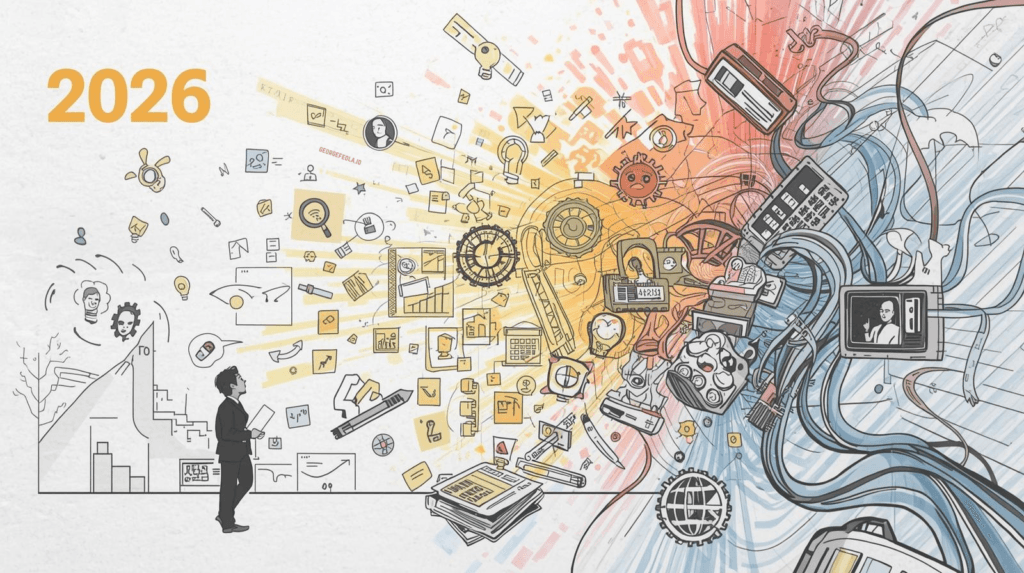
In 2026, the way people find information online is changing — and that change matters for every TV, radio, and digital seller. For years, we’ve relied on PPC and traditional SEO to drive visibility and clicks. But now, AI-powered search tools are stepping in to answer real questions directly, blending context and insight in ways that go beyond simple link lists. In this post, we explore what that means for your media strategy, how discovery is evolving, and why being referenced in the answers buyers see first will become a key part of visibility in the years ahead.

Reach still matters—but relevance is what closes the deal. Today, awareness only works when it leads to search, where buyers compare options, build trust, and decide who to choose. This article explains how TV, radio, and digital sellers can connect broadcast exposure to search-driven behavior and turn interest into measurable revenue.
Retail media helps brands advertise where people are already shopping, using first-party data from retailers like Amazon, Walmart, and Kroger to reach high-intent customers and track real purchase results. It’s reshaping how marketers plan campaigns and measure success.

TV viewing hasn’t disappeared — it just shifted. Local TV builds trust, CTV reinforces it. Used together, they help businesses stay visible where customers already watch. This article breaks it down in plain language.
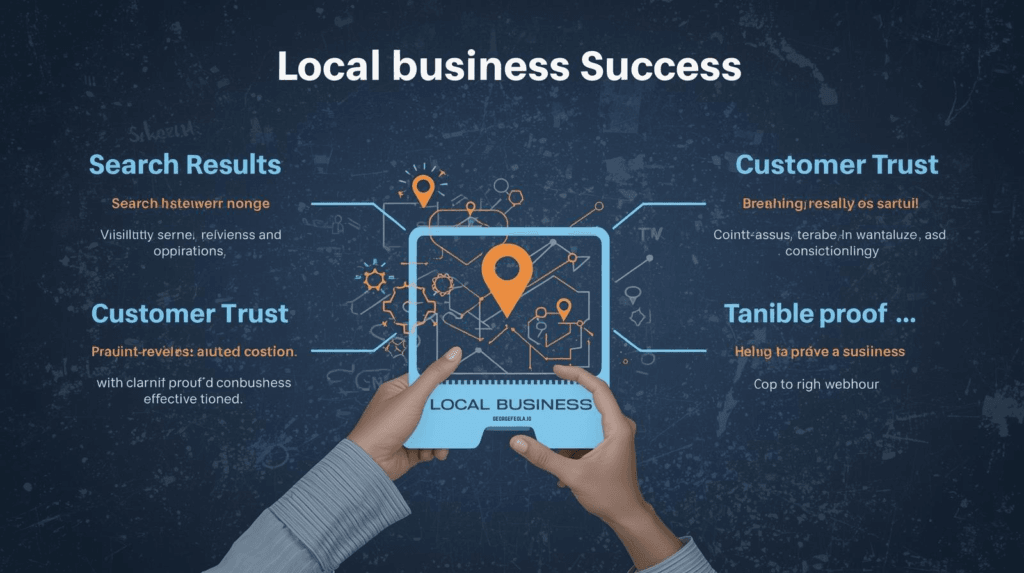
In 2026, local businesses don’t win by buying more ads. What matters most is being visible where customers search, building trust through strong reviews and engagement, and showing proof that the business delivers real results. These three elements help businesses show up in local search results, earn customer confidence, and convert searches into real interactions. Search engines now reward accuracy, relevance, and active customer engagement far more than ad spend alone.

Holiday marketing didn’t become the biggest season of the year by accident. What began as simple gift-giving traditions rooted in human connection slowly evolved into a powerful cultural and commercial moment that now defines annual performance for brands worldwide. From ancient winter rituals to early newspaper ads, from radio storytelling to television’s golden age, holiday marketing has always succeeded by aligning emotion with timing. Understanding how gift-giving shaped this evolution reveals why the holidays remain the most emotionally charged—and most competitive—marketing season on the calendar today.

First-party data is no longer a “nice to have” for marketers—it’s the foundation of how modern marketing works. As third-party tracking fades, brands, broadcasters, and local media companies must rely on data they collect directly from their audiences. This article explains why first-party data matters in clear, everyday language, showing how radio, TV, and digital channels can work together to capture real customer signals, improve targeting, and deliver measurable results from 2024 through 2026—without relying on complicated technology or buzzwords.

Today’s clients don’t want ad schedules—they want real solutions to real business problems. This article explains why the shift from selling spots to delivering outcomes matters in 2024–2026, and how modern marketers can use radio, digital, CTV, and search to create simple, effective solutions that local businesses truly value.
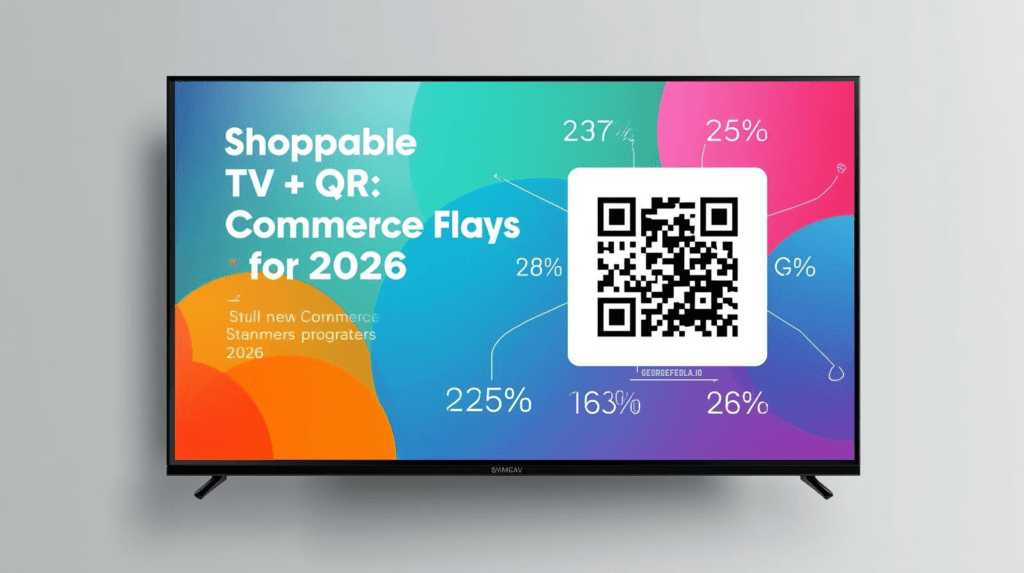
Shoppable TV and QR-to-store technology are transforming how consumers buy in 2026. This guide shows sellers how to combine shoppable TV commerce plays with radio, digital, and SMS to drive faster conversions and create measurable results for local businesses.

Measurement has changed. Impressions aren’t the finish line anymore—outcomes are. This guide shows sellers how CTV, digital audio, and retail media are rewriting the rules with closed-loop attribution and ROAS reporting, and where TV and radio still deliver unmatched reach.